
If you own a car, you have likely heard the term “timing belt” mentioned during a routine service. But what is it, and why is it so critical to your engine’s health?
A timing belt is a reinforced rubber belt with hard teeth inside. It is a component that keeps the upper and lower parts of the engine moving synchronously. It connects the crankshaft (located at the bottom of the engine) to the camshaft (located at the top).
Why is it So Important?
Inside the engine, the piston moves up and down while the valves open and close. In order for the engine to run smoothly, the valves must open accurately when the piston moves away. The timing belt ensures the achievement of this. If the timing is turned off, the engine will run poorly or not run.
Interference Engines
Not all engines are the same. Most cars use ‘interference engines’. In these engines, if the timing belt breaks, the piston will hit the valve. This can lead to damage – valve bending and piston breakage – often resulting in repair costs exceeding the value of the car.
Timing Belt and Serpentine Belt
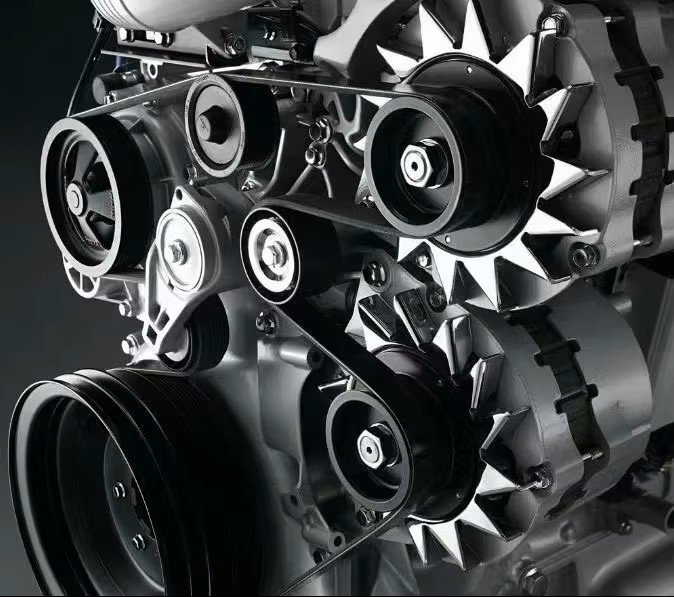
Do not confuse timing belts with serpentine belts. The serpentine belt is located on the side of the engine, driving the AC generator and alternating current. The timing belt is hidden behind the plastic cover and controls the internal functions of the engine.
When Should You Replace It?
The synchronous belt will not be used continuously. Rubber will degrade over time.
- Typical Interval: Every 60,000 to 100,000 miles (or every 5-7 years).
- Signs: The engine makes a ticking sound, runs unevenly, or cracks are visible on the belt.

Looking forward to working with you
Mainly producing timing belts,air filters,oil filters.