
Timing belts typically consist of two primary components: molded cords for carrying torque and a plastic compound that forms the teeth and encases the cords. The materials selected vary depending on the intended application of the belt. Generally, timing belt cords are made from fiberglass, polyester, transmitting power throughout the drive system.
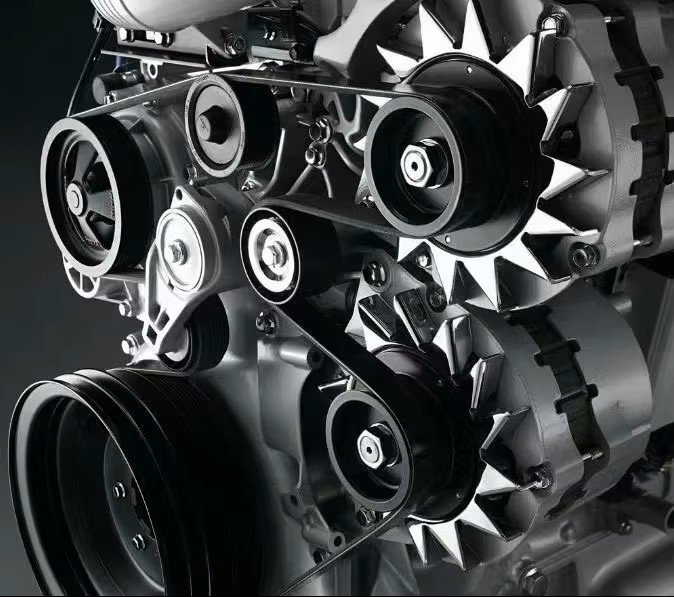
The cords and teeth align perpendicularly, allowing effective linear power transmission. An example is the serpentine belt in car engines. In smaller applications, due to the cords’ robustness, belt stretch is virtually negligible despite handling substantial loads. Excessive stress can result in cord failure or cause belt teeth to skip on the pulley. During production, timing belts are formed in a mold, where plastic surrounds a pre-tensioned cord and precise tooth profiles.
Each belt requires a mold with precise tooth count, producing a seamless length. Molds create sleeves as wide as 36 inches, trimmed using slitting tools to desired widths.
Neoprene serves as the standard material for timing belts due to its superior wear characteristics and ability to maintain the molded tooth profile. Often, neoprene belts are covered with nylon to further reduce wear.